
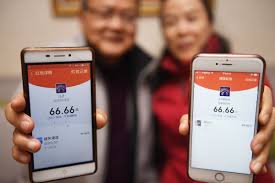
Digital Red Packet Cross Border
Digital red packets allow easy, gift-like money transfers. Sending them internationally involves specific platforms and rules. They combine tradition with modern tech for global giving.
What Are Digital Red Packets?
Digital red packets are also known as virtual hongbao. They are digital versions of the traditional red envelopes. These envelopes hold money.
People give them during holidays or special events. Think of Chinese New Year or weddings. Now, you can send and receive them online.
You use an app or a website. The money is sent from one digital wallet to another. It’s quick and easy.
The idea is simple. You put money into a digital envelope. Then you send it to someone.
The person opens it to find the money. It’s a way to share joy and good wishes. The digital format makes it convenient.
You don’t need to be in the same place. This is where cross-border sending comes in.
Why Are Digital Red Packets So Popular?
Their popularity comes from a few key things. First, they are very user-friendly. Most people can use them with ease.
You tap a few buttons on your phone. Then, the money is sent. It feels like a fun game to open them.
Second, they keep a cultural tradition alive. Many people grew up with red envelopes. Digital ones let them continue this practice.
They can share it with family and friends far away. This connection is very important.
Third, they are instant. When you send a digital red packet, it arrives right away. The receiver can open it immediately.
This speed is a big advantage. It beats waiting for bank transfers sometimes.
Finally, they add a touch of excitement. You don’t always know how much money is inside. Some apps let you send a random amount.
This makes opening a red packet a surprise. It’s like getting a little gift. This element of fun keeps people engaged.
How Do Digital Red Packets Work?
At their core, digital red packets use existing payment systems. Think of apps like WeChat Pay or Alipay. These apps have built-in features for red packets.
You load money into your digital wallet. This wallet is linked to your bank account or other funds.
When you want to send a packet, you choose the option in the app. You decide who to send it to. It could be one person or a group.
You then set the amount of money. Some apps allow you to set a total amount for a group. The app then divides it among recipients.
This can be a fixed amount or a random one.
The recipient gets a notification. They open the app and tap the packet. The money then appears in their digital wallet.
From there, they can use it for purchases. They can also transfer it to their bank account. It’s a seamless flow of digital currency.
Cross-Border Digital Red Packets: The Challenge
Sending money between countries is not simple. Banks have rules and fees. Digital red packets add another layer.
The main issue is the movement of money across borders. Each country has its own financial regulations. These rules are about preventing fraud and money laundering.
Apps that offer red packets are often tied to a specific region. For example, WeChat Pay is huge in China. It’s easy to send red packets within China.
But sending one from the U.S. to China using WeChat Pay can be harder. You need to navigate different currencies.
You also need to deal with exchange rates.
Furthermore, not all payment platforms work everywhere. A digital wallet popular in one country might not exist or be usable in another. This limits the direct transfer of digital red packets.
It’s not as simple as sending a message.
Platforms Enabling Cross-Border Red Packets
Despite the challenges, some platforms are making cross-border red packets possible. These services often partner with local payment providers. They create bridges between different financial systems.
Some newer fintech companies are focusing on this. They build systems that can handle multiple currencies. They also work to comply with regulations in different countries.
Their goal is to make international money transfers feel as easy as domestic ones.
These platforms often use a hybrid approach. They might allow you to load funds in your local currency. Then, they convert it for the recipient.
They aim to be transparent about fees and exchange rates. This helps build trust with users.
Key Features of Cross-Border Red Packet Services
Ease of Use: Simple interfaces for sending and receiving.
Currency Conversion: Automatic conversion to the recipient’s local money.
Speed: Transfers often happen within minutes or hours.
Security: Robust measures to protect transactions.
Compliance: Adherence to international financial laws.
Real-Life Experiences with Digital Red Packets Across Borders
I remember my cousin’s wedding in Vietnam. I couldn’t fly there. But I wanted to send a gift.
Back then, sending money took days. It involved wire transfers and big fees. It felt impersonal too.
This time, I used a new app my friend told me about. It let me send a digital red packet.
I opened the app. I chose the option to send money internationally. I typed in my cousin’s name and phone number.
I decided on an amount. The app showed me the exchange rate. It was pretty fair.
I also saw a small fee. I approved the transfer. I felt a bit nervous.
Would it actually work?
About an hour later, I got a message. It was from my cousin. She said she received the red packet.
She even sent me a photo of her opening it on her phone. She was so happy. It felt much more personal than a bank transfer.
It was like I was there in a small way. That experience showed me the power of these digital tools.
Understanding Exchange Rates and Fees
When you send money internationally, exchange rates matter. They determine how much the recipient gets. Different services offer different rates.
Some are very competitive. Others might have higher rates that hide costs.
Fees are also a big part of it. There can be sender fees, receiver fees, or both. Some services charge a flat fee.
Others charge a percentage of the amount sent. It’s crucial to compare these. You want to get the most value for your money.
For digital red packets, these principles still apply. If you send a packet from U.S. dollars to Euros, there will be a conversion.
The platform will use a specific exchange rate. They will also likely add a transaction fee. Always check these details before you confirm the transfer.
Some apps might offer better rates if you use their specific digital wallet. Others might work with various payment methods. Read the fine print.
Look for hidden charges. This transparency is key to trusting a service.
Quick Scan: Comparing Cross-Border Transfer Costs
| Service | Typical Fee Structure | Exchange Rate Note |
|---|---|---|
| Service A (App) | Small flat fee per transfer | Close to market rate |
| Service B (Platform) | Percentage of amount sent | Slightly marked up |
| Service C (Fintech) | Free for basic transfers, small fee for premium | Very competitive, real-time updates |
Regulatory Hurdles and Compliance
Sending money across borders means following laws. These laws are different in every country. They are designed to protect everyone.
They help stop illegal activities like money laundering. They also ensure that taxes are paid correctly.
For digital red packets, this means compliance is key. Companies offering these services must register in the countries they operate in. They need to report transactions.
They must verify the identities of their users. This is often called KYC, which stands for Know Your Customer.
If a service is not compliant, it can cause problems. Transactions might be blocked. The service could even be shut down.
Users might lose access to their money. That’s why it’s important to use reputable and regulated platforms. They take these rules seriously.
For example, sending money to certain countries might require more checks. The amounts you can send might be limited. These limits are often set by governments.
They are meant to be protective measures. Understanding these rules helps avoid surprises.
Myth vs. Reality: Cross-Border Money Transfers
Myth: International money transfers are always slow and expensive.
Reality: Modern digital services have made them faster and more affordable, especially for smaller amounts like digital red packets.
Myth: Sending money abroad is complicated and requires bank visits.
Reality: Many services allow you to send money entirely from your phone, with simple steps.
Myth: Digital red packets are only for Asian cultures.
Reality: While they have roots in Asian traditions, their digital form is gaining global appeal for its convenience and fun factor.
The Future of Digital Red Packets in Global Finance
The trend of digital red packets is growing. It’s not just about sending money anymore. It’s about connection.
It’s about sharing moments. This is especially true for people living far from home.
As technology improves, cross-border transfers will become even smoother. We might see more integration with other financial tools. Imagine sending a digital red packet that also includes a personalized message or even a small digital gift.
The possibilities are vast.
Blockchain technology could also play a role. It offers secure and transparent ways to move money. This could reduce fees and speed up transfers even further.
Cryptocurrencies are already used for cross-border payments. Digital red packets might eventually leverage similar systems.
The appeal of combining cultural tradition with modern convenience is strong. This is what makes digital red packets so unique. They offer a personal touch in an increasingly digital world.
Their global adoption is likely to continue.
When Is It Normal to Send a Cross-Border Red Packet?
There are many occasions for sending a digital red packet internationally. The most common is holidays. Think of Chinese New Year, Lunar New Year, or other cultural celebrations.
Sending a gift shows you remember and care.
Birthdays and weddings are also perfect times. If you can’t attend a celebration, a digital red packet is a great way to contribute. It’s a modern alternative to a physical gift card or check.
It arrives instantly.
Other significant life events count too. This includes graduations, new babies, or achieving a personal goal. A small digital gift can offer encouragement and support.
It’s a way to share in their happiness from afar.
Sometimes, it’s just because. You might want to send a small surprise to a friend or family member. Just to brighten their day.
The element of surprise makes it special. This informal gifting is a growing trend.
When Should You Be Cautious?
While exciting, caution is important with any financial transaction. Be careful if a service seems too good to be true. If they promise incredibly high returns or offer no fees for huge sums, be wary.
Always use reputable platforms. Stick to services recommended by friends or family. Or those with strong reviews and a clear history.
Avoid apps you’ve never heard of, especially if they appear suddenly with aggressive marketing.
Never share your login details or sensitive banking information with anyone. Be extra careful about phishing attempts. These look like real messages but aim to steal your information.
If you are sending money to someone you don’t know well, start with small amounts. This lets you test the service and build trust. For larger sums, ensure you fully understand the terms, fees, and any potential risks.
Always check the recipient’s details carefully.
Simple Checks for Safe Cross-Border Sending
Check the App Store Ratings: Look for apps with high ratings and many positive reviews.
Read the Reviews: Pay attention to comments about fees, speed, and customer support.
Verify Website Security: Look for “https://” in the web address if using a website.
Compare Exchange Rates: Use a currency converter to check the market rate.
Understand Fees: Know all the charges before you send.
Quick Tips for Sending Digital Red Packets Globally
Here are some practical tips to make your cross-border digital red packet experience smooth:
- Know Your Recipient’s Details: Ensure you have their correct name, phone number, or email, as required by the service.
- Check the Current Exchange Rate: Look up the market rate for the currencies involved before you send.
- Compare Service Fees: Different platforms have different fee structures. Pick the one that offers the best value for your transfer amount.
- Consider the Purpose: Is it a holiday gift, a birthday, or just a friendly gesture? This might influence the amount and the platform you choose.
- Read the App’s Terms and Conditions: Understand how they handle disputes or failed transfers.
- Start Small if Unsure: Test a new service with a small amount first.
- Keep Records: Save screenshots of your transaction confirmations.
- Understand Limits: Be aware of any daily or monthly sending limits imposed by the service or regulations.
Frequently Asked Questions About Digital Red Packets
Can I send a digital red packet to anyone in the world?
Not always directly. The availability depends on the platform you use and the countries they support. Many services are expanding their reach, but you should check if your chosen app works for the specific country you want to send to.
How long does a cross-border digital red packet take to arrive?
It varies. Some arrive within minutes. Others might take a few hours or even a business day.
This depends on the payment networks used and any verification steps required by regulators.
Are there any hidden fees I should know about?
Always be aware of potential fees. These can include transaction fees, currency conversion fees, and sometimes even recipient fees. Check the service’s fee schedule carefully before sending.
Reputable services are usually transparent about these costs.
What is the difference between a digital red packet and a regular money transfer?
A digital red packet often has a more personalized, gift-like feel. It’s usually sent via specific apps and can include fun elements like random amounts or a festive opening animation. Regular money transfers are more formal and typically handled by banks or dedicated remittance services.
Can I use my credit card to send a digital red packet internationally?
Some services might allow credit card funding, but it’s less common for cross-border transfers. Often, they prefer linking to a debit card, bank account, or using funds already in a digital wallet. Using a credit card might also incur extra fees or interest charges.
What happens if the recipient’s app is different from mine?
If you are using a dedicated cross-border remittance service, it usually handles the conversion and delivery to the recipient’s local bank account or mobile wallet. If you are trying to use country-specific apps (like WeChat Pay to Alipay), direct transfers might not be possible without an intermediary service.
Is my money safe when sending digital red packets internationally?
When using a well-established and regulated platform, your money is generally safe. These services use encryption and security measures. However, always be vigilant against scams and phishing attempts.
Stick to trusted providers.
Conclusion
Digital red packets offer a wonderful blend of tradition and technology. Sending them across borders is becoming easier. These modern gifts connect people across distances.
They add a touch of fun and personal touch to giving. Always use trusted services and understand the costs involved. Enjoy sharing these digital blessings!

Leave a Reply